
Pillar 02 · Esports
Esports explained: competitive gaming from school clubs to arenas
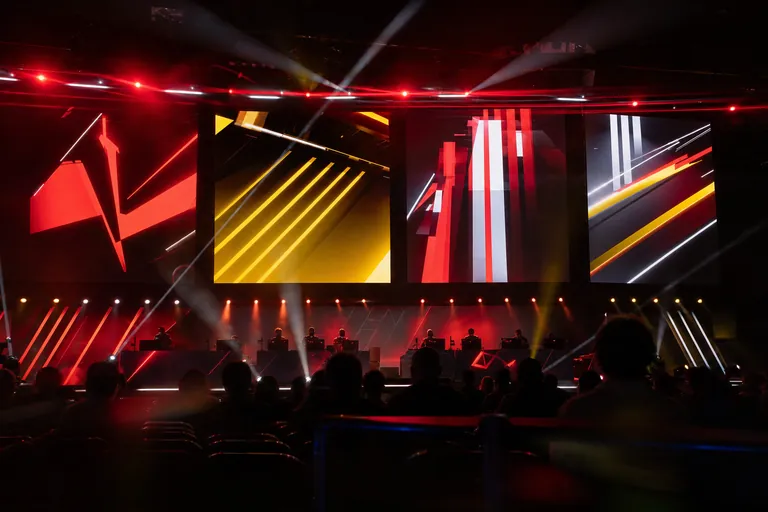
Esports is organised competitive gaming, with rules, officials, formats and, at the top, sold-out arenas. In 2026 London hosted a VALORANT Champions Tour event and is due to host a Rocket League championship event, while thousands of school and university teams compete every week. This hub sets out the essentials and links to six in-depth guides.
Inside this hub
- 01Chapter one: what makes gaming into esports
- 02Chapter two: brackets, Swiss stages and series
- 03Chapter three: the British scene and the people behind it
- 04Chapter four: the games that fill the arenas
- 05Chapter five: a calm checklist for parents
- →What is esports? A plain-English guide for newcomers
- →How esports tournaments work: brackets, Swiss stages and series
- →UK esports explained: British Esports, student leagues and schools
- →Esports careers in the UK: the jobs beyond playing
- →Esports for parents: age ratings, safety and the legal basics
- →The big esports games: which titles fill the arenas, and why
Chapter one: what makes gaming into esports
Playing online is not automatically esports. The term describes competition with structure: a published rulebook, a schedule, officials who settle disputes, and results that lead somewhere, whether a league table, a bracket or a ranking.
One quirk shapes everything: every game is owned by a company. Publishers decide who may run competitions and on what terms. Riot Games runs its own world championships for League of Legends and VALORANT. Valve publishes a Major Supplemental Rulebook for Counter-Strike 2 and lets independent organisers stage its Majors. National bodies, such as the British Esports Federation, work on grassroots competition, education and safeguarding rather than owning the rules.
The structure also explains the size of the field. At one end are weekly school and university leagues; at the other are publisher-run world championships watched in arenas and online. Most people who compete stay at grassroots level, and they get the same things from it as from any team sport: practice, teamwork and a fixed night of the week to look forward to.
What is esports? is the best first read if you are new.
Chapter two: brackets, Swiss stages and series
Every esports event is assembled from a few building blocks. Matches are played as a series: best of one, three or five games. Series feed into a format:
- Single elimination: lose once and you are out.
- Double elimination: an upper and a lower bracket, so a team must lose twice.
- Round robin: everyone plays everyone, the basis of most leagues.
- Swiss: teams meet opponents with the same record; three wins to advance, three losses to go out. It is used at Counter-Strike Majors and the League of Legends World Championship.
The interactive bracket explainer on this site lets you switch between formats with eight placeholder teams, Team A to Team H. How esports tournaments work explains each one with real examples.
Signature demo
Build a bracket
The same eight teams can have a very different day depending on the format. Switch between single elimination, double elimination and Swiss, then play the rounds to see who survives a loss.
Teams are placeholders (Team A to Team H, seeded in that order) and every result is randomly simulated.
Chapter three: the British scene and the people behind it
The UK has a clear grassroots ladder. British Esports Student Champs is open to students aged 12 and over at secondary schools and colleges. At university level, National Student Esports, which British Esports now runs, reported 17,800 players across 117 universities in 2024/25, and the NUEL runs University Esports UK & Ireland. Pearson offers a BTEC Level 3 National in Esports, and British Esports runs a National Esports Performance Campus in Sunderland.
Most people working in esports are not players. British Esports lists roles from casters, observers and referees to coaches, producers, marketers and lawyers.
- UK esports explained: the organisations and how to join.
- Esports careers in the UK: the jobs and the routes in.
Chapter four: the games that fill the arenas
A small group of titles carries most of the biggest events: League of Legends and Dota 2 (MOBAs), Counter-Strike 2 and VALORANT (tactical shooters) and Rocket League (car football). Around them sit hero shooters such as Overwatch 2 and Marvel Rivals, battle royales such as Fortnite, football simulations and fighting games.
The 2026 Esports World Cup in Riyadh shows the breadth: 25 tournaments across 24 games, with a $75 million total prize pool announced by its organiser. In London, VALORANT Masters ran at the Copper Box Arena in June 2026, and the RLCS Club Championship Kick-Off is due there from 9 to 13 December 2026.
The big esports games explains how each top circuit works.
If you are choosing something to watch, start with a game you can follow at a glance or one you already play. Rocket League is easy to read for newcomers; tactical shooters and MOBAs reward a little homework on the rules first. That is an editorial view, not a ranking.
Chapter five: a calm checklist for parents
If your child is getting into competitive gaming, a few facts help:
- Age ratings: in PEGI's database, VALORANT and League of Legends are PEGI 16, Fortnite Battle Royale is PEGI 12 and Rocket League is PEGI 3. Since June 2026, PEGI gives games with paid random items, such as loot boxes, a PEGI 16 or 18 rating.
- Betting is separate: the Gambling Commission says the minimum legal age for gambling in Great Britain is 18 in most cases, and has warned parents about unlicensed skins gambling sites.
- Supervised routes exist: school clubs, Student Champs and university societies all build adult oversight into competition.
Esports for parents covers ratings, safety, money and the questions to ask any team.
In this hub
The guides
What is esports? A plain-English guide for newcomers
Esports explained simply: how organised video game competition works, who runs it, the levels from school clubs to arenas, and where money and betting fit.
How esports tournaments work: brackets, Swiss stages and series
Single and double elimination, round robin and the Swiss system explained with real examples from Counter-Strike Majors and League of Legends Worlds.
UK esports explained: British Esports, student leagues and schools
Who runs UK esports: the British Esports Federation, Student Champs for schools and colleges, NSE and university leagues, BTECs and the Sunderland campus.

Esports careers in the UK: the jobs beyond playing
Casters, observers, referees, coaches, producers, marketers and more: the esports jobs British Esports lists, how people get started and the routes in.
Esports for parents: age ratings, safety and the legal basics
A calm UK guide for parents: PEGI ratings of competitive games, PEGI's 2026 loot box changes, age limits, betting and skins rules, and online safety basics.
The big esports games: which titles fill the arenas, and why
A factual tour of the games behind the largest esports events: League of Legends, Counter-Strike 2, VALORANT, Dota 2, Rocket League and the wider circuit.
Questions
Is esports popular in the UK?
Yes, at grassroots level especially. British Esports reports more than 5,200 students in Student Champs and 17,800 university players in NSE in 2024/25, and London hosted international events in 2026.
Who runs esports in Britain?
Publishers control their own games' competitions. The British Esports Federation is the national body for grassroots competition, education and safeguarding, and also runs National Student Esports.
What age can you start competing?
British Esports Student Champs accepts students aged 12 and over, with higher limits for some games. Professional leagues set their own minimum ages in their rulebooks.
Where can I watch esports?
Most events stream free on official channels, with commentary and replays. Some, such as VALORANT Masters London in 2026, also sell tickets for live audiences.
Sources we checked
- British Esports — About us
- British Esports — Student Champs
- British Esports — NSE and British Esports join forces (6 Nov 2025)
- Valve — Counter-Strike Major Supplemental Rulebook
- LoL Esports (Riot Games) — Worlds 2025 primer
- VALORANT Esports (Riot Games) — Masters London live audience and tickets
- BLAST.tv — RLCS returns to London for the Club Championship
- Esports World Cup Foundation — 2026 prize pool and game schedule
- PEGI — What do the labels mean?
- Gambling Commission — Gambling and young people
- Pearson — BTEC Nationals in Esports
Last checked: 3 November 2026. Facts change; if you spot something out of date, email [email protected].